
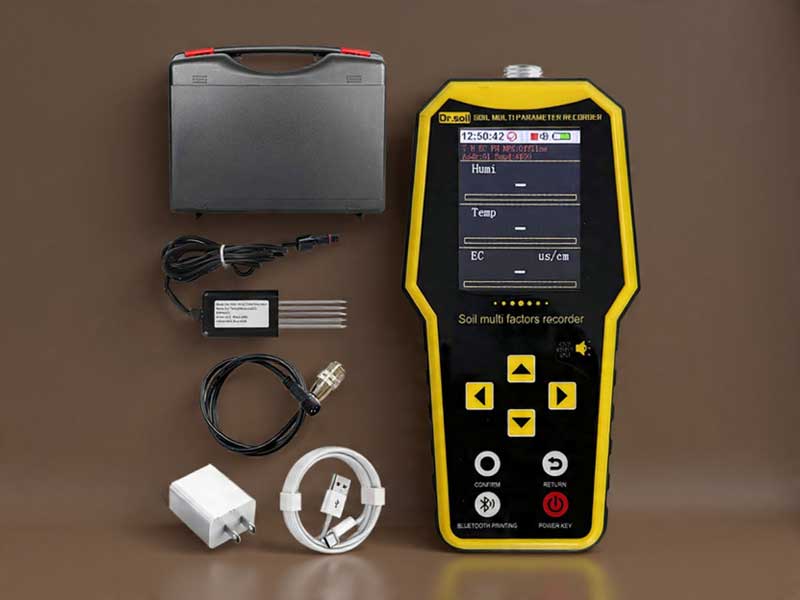
Garden tools tend to earn their place over time. Some are obvious from day one, while others only start to matter once small problems show up repeatedly—plants that stall, soil that never quite feels right, or beds that behave differently season to season. Tools that measure soil conditions fall into that second group. The 7 in 1 soil tester fits into those everyday moments when visual judgment stops being enough and clearer information starts to matter.
For many home gardeners, soil testing sounds technical, but in practice it often comes down to reassurance. A handheld device that brings together nutrient levels, moisture, and pH in one place can reduce uncertainty without turning gardening into a lab project. That balance is where a tool like this earns attention.
Where a 7 in 1 Soil Tester Fits Into Everyday Garden Work
The appeal of a 7 in 1 soil tester is not just the number of readings it offers, but how those readings sit alongside normal garden routines. Soil condition affects nearly every task, from planting timing to fertilizer decisions, even if it is not always discussed directly.
This type of tool measures nitrogen, phosphorus, potassium, pH, temperature, moisture, and conductivity in a single handheld unit. Together, those data points give a broader snapshot than a basic soil moisture meter or single-function soil pH meter. For gardeners managing multiple beds or working across different soil zones, that wider context can help explain why similar plants behave differently.
It also helps that all readings are presented on a large LCD screen with a full-color interface. Information is visible at a glance, without scrolling through layers of menus or relying on separate devices. For users who prefer clarity over complexity, that presentation keeps the tool approachable.
Nutrient Readings That Support Smarter Soil Decisions
Understanding nutrients is often where soil testing feels intimidating. Nitrogen, phosphorus, and potassium are regularly mentioned on fertilizer labels, but rarely measured directly in home settings. An NPK soil tester brings those numbers closer to everyday garden decisions.
Nitrogen, Phosphorus, and Potassium in Context
Nitrogen supports leafy growth, phosphorus plays a role in root development, and potassium contributes to overall plant resilience. When these elements drift out of balance, plants may show subtle signs that are easy to misread. A handheld soil tester that measures all three provides a clearer reference point.
Rather than guessing whether slow growth comes from lack of nutrients or another soil factor, having NPK data adds structure to decision-making. It does not replace good observation, but it supports it with measurable information.
Reducing Overcorrection
One common issue in garden care is adding more inputs than necessary. Extra fertilizer can stress plants and alter soil chemistry over time. By checking nutrient levels directly, this garden soil testing kit helps gardeners pause before making changes. That restraint often supports healthier soil in the long run.
pH, Moisture, and Temperature as Daily Reference Points
Beyond nutrients, basic soil conditions often explain why plants thrive or struggle. Moisture, temperature, and pH fluctuate naturally, but consistent extremes can slow progress.
Soil pH Without the Guesswork
Soil pH influences how well plants access nutrients already present in the soil. A built-in soil pH meter allows gardeners to track this factor without separate kits or test strips. Over time, patterns become easier to spot, especially in beds that receive different amendments or watering schedules.
Moisture and Temperature Readings That Make Sense Together
Moisture alone rarely tells the full story. Warm soil dries faster, while cool soil holds water longer. Seeing moisture and temperature readings side by side provides context that supports better timing decisions for planting and watering. This pairing is especially helpful during seasonal transitions when conditions change quickly.
Conductivity and EC Measurements Explained Simply
Electrical conductivity, often shortened to EC, can sound technical, but its role in soil monitoring is straightforward. Conductivity reflects the soil’s ability to carry electrical current, which relates to dissolved salts and nutrient availability.
An EC meter built into the device adds another layer of understanding, particularly in intensively managed garden beds. High conductivity can signal excess fertilizer, while low readings may indicate depleted soil. For gardeners who want a fuller picture without multiple instruments, this soil conductivity meter keeps everything in one place.
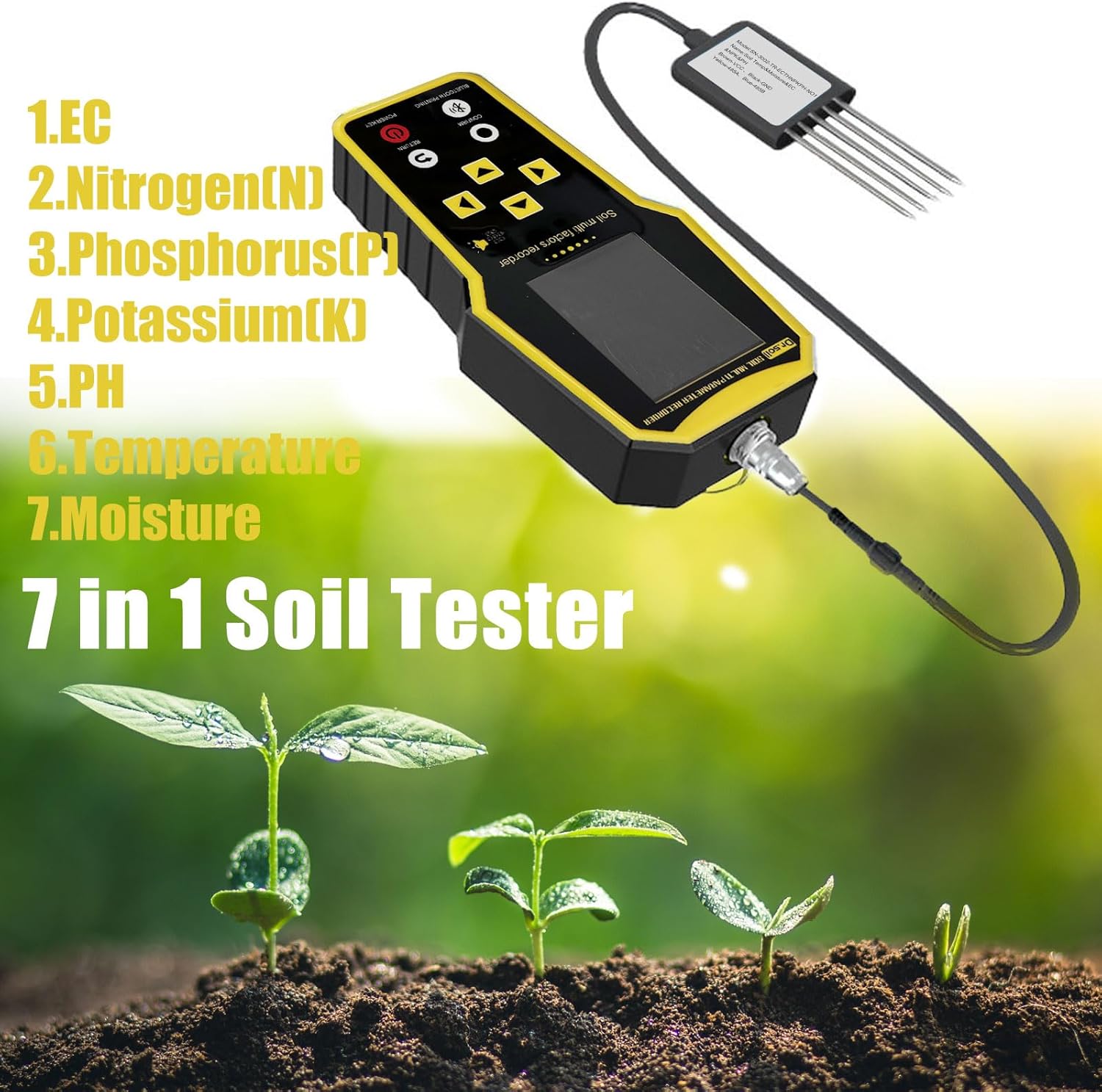
7 in 1 Soil Tester, Nitrogen Phosphorus Potassium NPK Tester, Handheld Soil PH Meter Kit
Available on Amazon
Design Choices That Support Regular Use
Tools that are awkward to carry or store often get left behind. The physical design of this handheld soil tester reflects an awareness of that reality.
The secure clip-on system allows the unit to attach to belts, bags, or backpacks. That portability matters when moving between beds or working in larger outdoor areas. A tool that stays close is more likely to be used consistently, which improves its value over time.
Durability also plays a role. Gardening environments are rarely gentle, and a device intended for outdoor work should tolerate routine handling. While no tool is immune to wear, a reliable build encourages regular checks without hesitation.
Data Storage for Gardeners Who Track Trends
One feature that sets this device apart from simpler testers is its data storage capability. The system supports up to 100W data records, with the ability to export information to a computer via Excel.
For gardeners who like to track changes over time, this function adds depth without forcing constant note-taking. Patterns in moisture, nutrients, or pH become easier to review across weeks or seasons. Even for users who do not analyze data often, having the option available adds flexibility.
The high stability of the measurement system also supports confidence in those records. With an overall system availability rate above 99.7 percent, consistency becomes part of the tool’s appeal.
Balancing Capability With Learning Curve
With seven measurements in one unit, complexity is a natural concern. The interface design helps soften that edge. Multi-function buttons and a clear display reduce friction for new users, while still supporting more detailed review when needed.
This balance matters for gardeners who want useful information without turning routine checks into technical sessions. The device supports gradual learning, allowing users to engage with more data over time as comfort grows.
Practical Limitations to Keep in Mind
No soil tester replaces good observation or long-term soil care. Readings offer snapshots, not guarantees. Environmental factors, soil composition, and seasonal changes all influence results.
This type of handheld soil tester is best viewed as a reference tool rather than a final authority. Its strength lies in consistency and convenience, not in laboratory-level analysis. Understanding that boundary helps set realistic expectations and encourages productive use.
Who Benefits Most From a 7 in 1 Soil Tester
Gardeners managing multiple plant types, raised beds, or varied soil zones tend to benefit most from broader data. The 7 in 1 soil tester suits those situations well, offering a compact way to compare conditions without switching tools.
It also fits gardeners who enjoy understanding their soil more deeply but prefer straightforward equipment. By combining an NPK soil tester, soil moisture meter, EC meter, and soil pH meter into one unit, it reduces clutter while expanding insight.
Long-Term Value Through Consistent Monitoring
Over time, patterns matter more than single readings. Regular checks with a garden soil testing kit like this one help gardeners notice gradual shifts that might otherwise go unnoticed. That awareness supports steadier soil management and fewer reactive adjustments.
Consistency also builds confidence. When gardeners understand what their soil is doing, decisions feel calmer and more grounded. Tools that support that mindset often earn lasting space in a garden routine.
Closing Perspective on the 7 in 1 Soil Tester
The 7 in 1 soil tester stands out by offering a wide range of soil data in a format that stays accessible to everyday gardeners. It does not promise instant results or dramatic transformations. Instead, it supports steady understanding through clear measurements and thoughtful design.
For gardeners who value clarity over complexity, and who want a handheld soil tester that grows with their confidence, this device fits naturally into ongoing garden care. It offers information that complements observation, helping soil management feel informed rather than uncertain.
7 in 1 Soil Tester, Nitrogen Phosphorus Potassium NPK Tester, Handheld Soil PH Meter Kit
Available on Amazon

Dan is a landscape assistant and certified home gardener who spends most of his free time experimenting with soil mixes, pruning tools, and lawn equipment. He offers grounded, hands-on evaluations of garden tools, focusing on build quality and usability. Dan’s writing helps beginners feel more confident in their outdoor projects.