
If you’ve ever watched ripening tomatoes or berries disappear just days before harvest, it’s tempting to think the solution is something rigid or permanent—wood fencing, metal cages, or bulky enclosures. In small gardens and raised beds, that thinking often creates more hassle than protection. A flexible barrier like bird netting for garden use can quietly solve the problem without taking over the space, and products such as the Junkogo Bird Netting 7.5×100 Ft are designed with that everyday reality in mind.
What makes this kind of netting interesting is not just what it blocks, but how it integrates into a normal gardening routine. For urban yards, balconies, and compact backyards, protection has to work alongside watering, pruning, and harvesting—not disrupt them.
How bird netting for garden use changes everyday plant protection
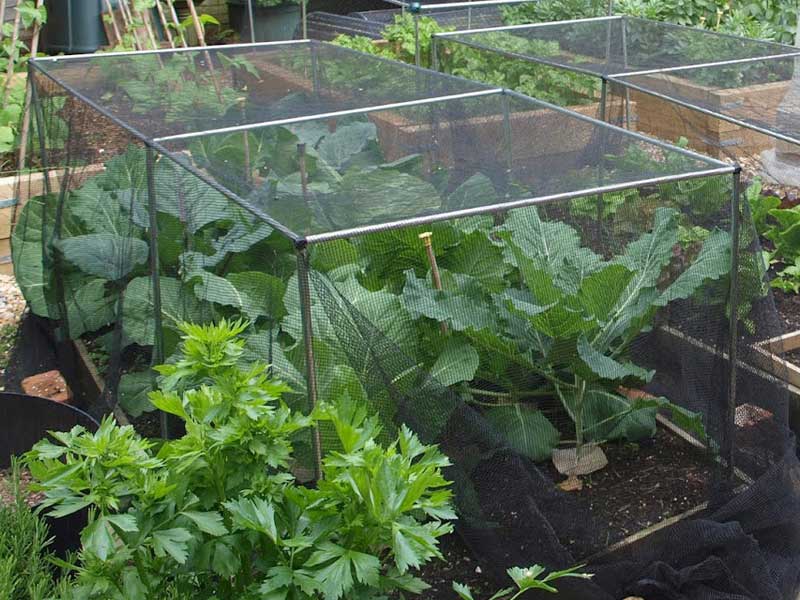
The appeal of bird netting for garden setups is its ability to protect without sealing plants off from light, air, and care. The Junkogo netting uses a 1/2-inch mesh that’s small enough to discourage birds and many small animals, while still open enough to keep plants visible and accessible.
This balance matters in real use. Gardeners managing fruit trees or raised beds often want protection that feels temporary and adaptable, even when used season after season. A net that can be unfolded quickly, draped over frames, or adjusted around plant growth supports that flexibility.
Because the mesh allows water to pass through, regular watering or rainfall doesn’t require removing the net. That small detail can make daily maintenance feel simpler, particularly during peak growing months when consistency matters most.
A closer look at the woven strength and weight
Not all garden netting behaves the same once it’s stretched across a bed or tree. One of the defining traits of this netting is its woven construction and higher material weight—listed at about 1 oz/m² (28 g/m²). Compared with lighter netting that can snag or tear under pressure, this density provides a more stable feel when tension is applied.
That added weight contributes to a few practical advantages:
- Greater resistance to tearing from squirrels or persistent birds
- Better shape retention when stretched across frames or posts
- Less fluttering in windy conditions, which can stress plants over time
The netting is also described as UV resistant and corrosion resistant, qualities that support repeated outdoor use. For gardeners who prefer reusable solutions over single-season materials, this design choice aligns with long-term efficiency rather than quick fixes.
Understanding the 1/2-inch mesh in practical terms
Mesh size often sounds technical, but it directly affects how well netting performs. A 1/2-inch mesh is small enough to block common garden intruders like birds, pigeons, rabbits, and squirrels, while still remaining manageable to work with.
Why mesh size matters for different plants
For fruit trees and berry bushes, smaller mesh helps prevent birds from reaching through to peck at fruit. For vegetables in raised beds, it discourages animals from squeezing through gaps without creating a solid wall that traps heat or moisture.
Visibility and access
Because the openings are consistent and diamond-shaped, gardeners can still see plant health clearly. This reduces guesswork during harvesting and pruning, helping maintain confidence when caring for plants under cover.
The netting’s ability to be cut to size adds another layer of adaptability. Whether covering a single blueberry bush or an entire row of vegetables, the same roll can be tailored to fit the space.

Junkogo Bird Netting 7.5×100 Ft, 1/2In Mesh Heavy Duty Garden Netting Pest Barrier for Plants, Fruit Trees, Vegetables
Available on Amazon
Where heavy duty bird netting fits beyond birds
While bird control is often the starting point, heavy duty bird netting frequently ends up serving broader roles. The strength and elasticity described for this netting allow it to function as more than a simple bird deterrent.
Common real-world uses include:
- Deer netting along garden edges or around young trees
- Chicken coop netting to help shield poultry areas from aerial predators
- Plant protection netting over strawberries, lettuce, or leafy greens
- Fruit tree netting that adapts as branches grow
In small-space gardens, having one material serve multiple purposes reduces storage clutter and planning complexity. That versatility is especially helpful for newer gardeners who are still refining their setups.
Managing expectations about stretch and shape
One detail worth understanding upfront is how woven netting behaves when stretched. The diamond-shaped pattern means that pulling the net in different directions can slightly change its width and length. This is not a flaw, but a natural property of the design.
From a usability standpoint, this elasticity can actually be helpful. It allows the net to conform around irregular shapes like trellises or uneven branches. The key is adjusting tension gradually, checking coverage as you go, and securing edges evenly.
Gardeners who value precision may need a few extra minutes during setup, but the trade-off is a barrier that adapts more easily to plant growth and seasonal changes.
How this garden netting supports beginner confidence
For gardeners just getting comfortable with pest management, overly complex systems can feel discouraging. Netting that unfolds cleanly, resists tangling, and works with basic supports lowers that barrier.
This product’s lightweight feel, combined with its strength, supports a learning curve that feels manageable. It encourages experimentation—covering beds early in the season, adjusting layouts, or trying protection on new plants—without locking the gardener into a permanent structure.
That flexibility is often what helps beginners stick with gardening long enough to see consistent results.
Practical trade-offs to keep in mind
No protective system is perfect, and acknowledging limitations helps set realistic expectations. While this netting is strong, it still relies on proper anchoring. Gaps at the ground or loose edges can reduce effectiveness, especially against persistent animals.
Additionally, the netting’s strength means it should be handled with care around delicate new growth. Taking a moment to lift or secure sections during pruning can prevent unnecessary stress on young plants.
Viewed as context rather than drawbacks, these considerations simply guide better use over time.
Why bird netting for garden use often beats rigid barriers
Bird netting for garden use often works best when it feels like a natural extension of plant care rather than an added system to manage. With its woven strength, adaptable 1/2-inch mesh, and reusable design, the Junkogo Bird Netting fits into that quieter approach to protection. It focuses on discouraging common garden intruders while still allowing light, water, and visibility—details that matter when tending plants day after day in smaller or shared spaces.
For gardeners balancing limited room with growing ambitions, this kind of netting supports consistency more than perfection. It asks for thoughtful setup and basic adjustments, but rewards that effort with flexibility across beds, fruit trees, and seasonal changes. Seen in that context, it becomes less about stopping every pest and more about creating a stable, manageable environment where plants have a fair chance to thrive.
Junkogo Bird Netting 7.5×100 Ft, 1/2In Mesh Heavy Duty Garden Netting Pest Barrier for Plants, Fruit Trees, Vegetables
Available on Amazon

Allison is an urban gardening educator known for teaching small-space gardening techniques. She tests compact and lightweight garden tools designed for raised beds, balconies, and backyard gardens. Allison’s reviews highlight ease of use, ergonomics, and long-term plant-care efficiency for new growers.